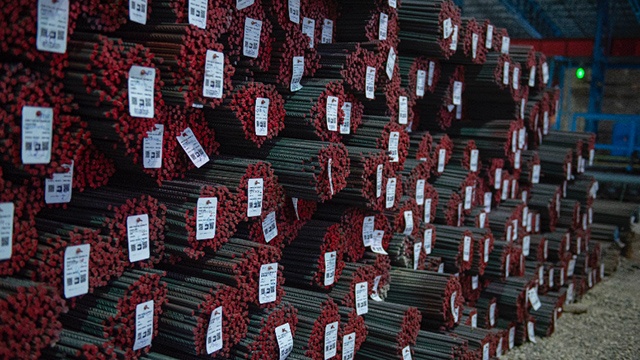
According to Steel World Review, European Union steel exports fell by 20 percent in the first half of 2026 compared with the same period last year. Based on data from the European Steel Association (EUROFER), exports to the United States declined by 29 percent, while exports to Turkey, India, and China also fell by at least 18 percent. The Financial Times report identified U.S. tariffs, high production costs in Europe, and competition from cheaper foreign steel as factors putting pressure on exports.
The decline in exports came as EU crude steel production fell by 3 percent in 2025 to 126 million tonnes. Production in the first five months of 2026 fell by a further 1 percent, although a limited increase was recorded in May. According to the Director General of EUROFER, Europe, unlike some regions, is reducing its steelmaking capacity, and production is unlikely to return to its peak of around 155 million tonnes in 2015.
For European producers, this trend means more than just lower external sales: their export competitiveness is under pressure from energy costs and tariffs, while global oversupply is intensifying competition in destination markets. Export data also provide an important basis for monitoring the effects of EU trade policies and the Carbon Border Adjustment Mechanism (CBAM) on steel trade flows; however, the report does not directly attribute the decline in exports to CBAM.
Source: Financial Times, October 1, 2026, citing EUROFER data