A difficult decision at one of Europe’s largest steel hubs; restructuring production, reducing capacity, and investing in low-carbon technologies are painting a picture of the future of the global steel industry.
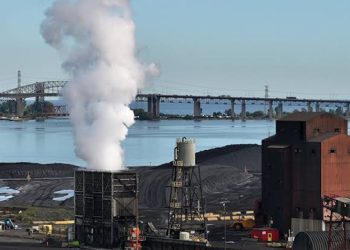
At the heart of Europe’s steel industry, where massive steel mills stood for decades as symbols of Germany’s industrial strength, a new chapter is unfolding. Rising energy costs, intensifying global competition, mounting pressure to reduce carbon emissions, and shifting European industrial policies have compelled steel producers to redefine their strategies. What is happening in Germany today is more than a corporate restructuring plan—it is a reflection of the profound transformation shaping the future of the global steel industry.
According to Reuters, Salzgitter AG has announced that, as part of a comprehensive restructuring program, it will acquire full ownership of the joint venture HKM (Hüttenwerke Krupp Mannesmann). At the same time, the company plans to eliminate approximately 2,000 jobs by the end of 2028 and reduce its crude steel production capacity to around 2 million metric tons per year.
The decision comes as Europe’s steel industry continues to face declining demand, rising production costs, competition from low-priced imported steel, and increasingly stringent environmental regulations—factors that are driving many steelmakers to restructure their operations and invest in next-generation production technologies.
Beyond Cost-Cutting: Investing in the Future
At first glance, workforce reductions and lower production capacity may appear to be simple cost-saving measures. In reality, however, Salzgitter’s strategy extends far beyond expense reduction. The company plans to invest in an Electric Arc Furnace (EAF) at its Duisburg site, accelerating its transition toward low-carbon steelmaking technologies.
According to the company, the new technology could reduce carbon dioxide (CO₂) emissions from steel production by up to 90%. This initiative not only aligns with the European Union’s climate objectives but also strengthens Salzgitter’s competitive position in the rapidly growing market for green steel.
Why This Matters for the Steel Industry
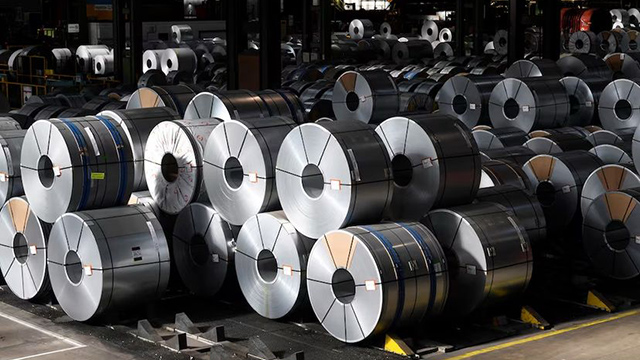
The global steel market has entered a new era in which competitiveness is no longer measured solely by production capacity or manufacturing costs. Today, carbon intensity, access to clean energy, technological capability, and the ability to produce low-carbon steel have become defining indicators of industrial competitiveness.
From this perspective, Salzgitter’s restructuring plan reflects a broader transformation taking place across the global steel sector, as producers seek to adapt to evolving market conditions, reduce long-term costs, and secure their position in an increasingly competitive international landscape.
A Domino Effect Across the Global Steel Supply Chain
Salzgitter’s decision will extend well beyond the company itself. Reducing production capacity at one of Europe’s leading steelmakers is expected to influence global steel trade flows, raw material markets, scrap demand, investment in steelmaking technologies, and potentially steel prices across international markets.
Meanwhile, the expansion of electric arc furnace capacity is likely to increase demand for steel scrap and clean energy, reshaping investment priorities throughout the steel supply chain.
A Message for the Future of Steel
Recent developments demonstrate that the global steel industry is entering a new phase, where long-term success will increasingly depend on companies’ ability to adapt to economic, environmental, and technological change.
Salzgitter’s restructuring program represents a clear example of this paradigm shift.Decisions such as reducing production capacity and eliminating jobs should not simply be viewed as signs of contraction, but rather as strategic investments designed to preserve competitiveness in the era of green steel and the low-carbon economy.