The global steel industry on the verge of a green transformation
CBAM and carbon pricing, a double-edged sword for Iranian producers!
As global pressure intensifies to reduce carbon emissions in heavy industries, the steel sector has come under the spotlight.
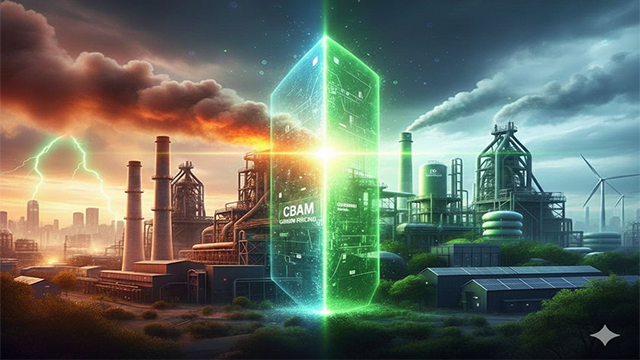
The hidden cost of carbon: With the full implementation of the EU’s Carbon Border Adjustment Mechanism (CBAM), steel producers that rely on traditional production methods (mainly blast furnaces) or high energy consumption will be required to pay for the carbon embedded in their products. This issue is relevant not only for direct exports to Europe, but also for goods in which steel is used as an input, such as automotive components.
Pressure on cost competitiveness: In the past, one of the competitive advantages of Iranian steel exports was their relatively low production cost. However, CBAM could neutralize this advantage and challenge export competitiveness.
The need for green technologies: These regulations serve as a serious warning to accelerate the shift toward low-carbon steel production technologies, such as the use of green hydrogen or the development of high-efficiency direct reduced iron units and greater use of scrap.
The domino effect: Although CBAM is a European mechanism, other major economies are expected to introduce similar frameworks for taxing imported carbon emissions in the near future, turning this approach into a global standard.
Are Iran’s domestic infrastructure and policies prepared to confront this “green wall” of trade? To what extent have Iranian steelmakers seriously incorporated low-carbon technologies into their development plans?