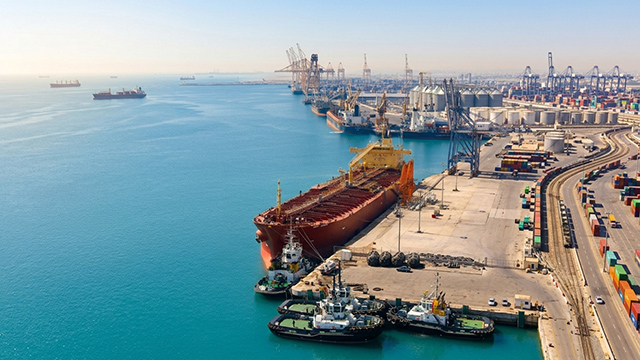
According to Steel World Review, Russian steel and raw-material exporters face mounting logistics pressure as cargoes are redirected toward northwestern ports while grain shipments compete for vessels and terminal capacity. In a market report published on 19 October, SteelOrbis cited suppliers assessing freight for 35,000–40,000-tonne hot-rolled coil cargoes to Turkey at about $62–65 per tonne. These are reported market assessments, not confirmed rates for every completed shipment.
Rail access and port handling are also part of the problem. A Russian industry association had warned the transport ministry about possible inventory build-up in a letter reported on 14 October. That warning does not establish that steel production has stopped. The market significance for Turkey and North Africa lies in delivered cost and the competitiveness of import offers; any effect on transaction prices or import volumes remains to be verified.
Transportation pressures are not limited to maritime shipping. The report also highlights difficulties in securing rail capacity and unloading cargo at some ports in northwestern Russia. The issue had been raised previously: on October 14, a Russian industry publication reported, citing a letter from the Russian Steel Association, that the association had warned the Ministry of Transport about shipping disruptions to Baltic ports and the risk of inventory accumulation at steel plants. The warning does not mean that mills have halted production; rather, a production shutdown is a potential consequence that the association has expressed concern about.
This development has more direct implications for the Turkish market, as the cost of delivering hot-rolled coil, scrap, and other materials to their destinations can affect the landed cost of imports. In North Africa, higher freight costs could also influence the competitiveness of Russian offers relative to those of other suppliers. However, the available data do not establish that steel prices in Turkey have risen or that import volumes have changed. Assessing either outcome would require transaction-level and customs data.
One key factor to monitor is the gap between the quoted price of a product at origin and the actual cost of delivering it to the buyer. If rail capacity constraints and port congestion persist, even a supplier offering a lower base price may have a smaller competitive advantage in the destination market. For now, this remains an analytical scenario rather than a confirmed conclusion for the market as a whole. The report should clearly attribute all quoted rates and warnings to their respective sources.
Optional