The Future of Steel: Technological Frontiers in “Advanced Steels” and “Green Steel”
The global steel industry is being redefined along two parallel and complementary paths: one focused on performance and mechanical properties (advanced steels), and the other on environmental responsibility (green steel). Together, these two pillars will form the foundation of competitiveness and sustainability in the decades ahead.
Section One: Advanced Steels – A Revolution in Performance and Strength
Advanced steels are a class of innovative alloys developed to meet the demands of high-tech industries. Their defining characteristic is a unique combination of exceptional strength, low weight, and excellent formability.
1. Definition and Classification
Advanced steels, particularly in the automotive industry, are known as AHSS (Advanced High-Strength Steels). These steels are classified into the following categories based on their final microstructure and strengthening mechanisms:
• Dual-Phase (DP) Steels: Featuring a ferrite–martensite microstructure, providing a balance of high strength and good formability.
• TRIP (Transformation-Induced Plasticity) Steels: Deliver exceptional formability alongside high strength through phase transformation during deformation.
• Martensitic and Press-Hardened (P&B) Steels: Provide the highest levels of strength and are used in structural automotive components.
2. Critical Applications
The importance of these steels in advanced industries is clearly evident:
• Automotive Industry (especially electric vehicles): Used to reduce body weight (to extend battery range) while ensuring maximum occupant safety in collisions.
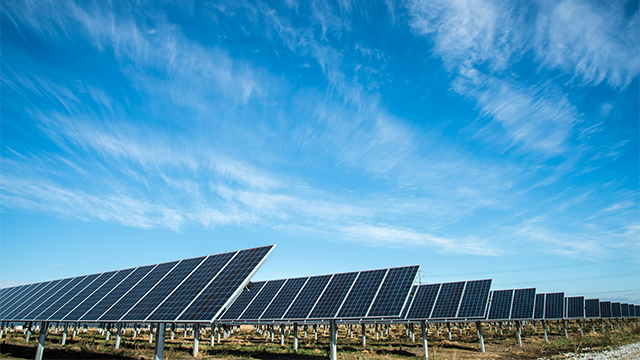
• Renewable Energy: Used in the construction of wind turbine towers and solar panel structures, requiring high resistance to harsh weather conditions and low weight.
• Construction: Used in projects requiring lighter structures with higher load-bearing capacity, such as bridges and skyscrapers.
Section Two: Green Steel – Decarbonizing a Major Industry
Green steel refers to steel production processes in which carbon dioxide (CO₂) emissions are significantly reduced or eliminated. This development responds to global commitments to combat climate change, as well as pressures from consumers and investors.
1. Environmental Challenge
The traditional steel industry, largely based on blast furnaces (BF) using coke and coal, is responsible for approximately 7–9% of global CO₂ emissions. Transitioning to green steel is a vital necessity for environmental preservation.
2. Main Pathways for Green Steel Production
Investments and innovations in this field are focused on two main pathways:
a) Hydrogen-Based Steelmaking
• In this method, green hydrogen (produced from renewable energy) is used as the reducing agent for iron ore instead of coal.
• The final product of this process is hydrogen-reduced direct reduced iron (H-DRI), with only water vapor released as a byproduct. This method is considered the ultimate goal of the green steel industry.
b) Electric-Based Steelmaking (Electric Arc Furnace – EAF)
• In this method, an Electric Arc Furnace (EAF) uses clean, renewable electricity (such as wind, solar, or hydro) to melt scrap steel or direct reduced iron.
• Although EAF is inherently a lower-carbon process compared to a blast furnace, its “greenness” entirely depends on the source of electricity used.
3. Key Players
Companies such as SSAB (Sweden) with the HYBRIT project, Thyssenkrupp, and ArcelorMittal in Europe are leading this transition and making significant investments in hydrogen-based technologies.
Conclusion: Synergy of the Two Groups
Advanced steels and green steel are two sides of the same coin. While advanced steels enhance the technical and economic performance of end products (such as vehicles), green steel ensures the environmental sustainability of the production process. Investing in both areas is not merely a choice but a strategic necessity for any modern steel producer to secure its position in the competitive future market.