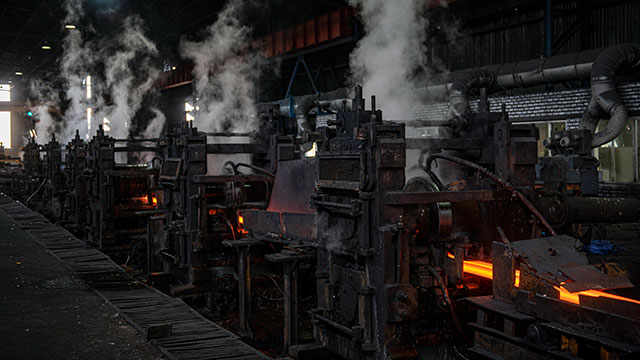
According to Steel World Review, Tehran Province Electricity Distribution Company has issued a notice calling on industrial units located in industrial parks and zones to reduce their electricity consumption by 90% between 2:00 PM and 10:00 PM, seven days a week, including public holidays. The decision has been attributed to restrictions on fuel supplies to power plants with the onset of the cold season.
At the same time, Bahram Sobhani, President of the Iranian Steel Producers Association, has sent a letter of protest to the government, warning about severe, unscheduled energy restrictions and the potential shutdown of steel production across the country.
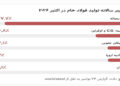
According to Chilan, gas restrictions on steel industries began on November 11, 2026, while electricity restrictions took effect on November 14, without prior coordination or notification. These restrictions have exceeded 50% in gas supplies and reached as high as 70% in electricity supplies.
This comes as most of the country’s steelmakers had already faced severe electricity restrictions from early April to early November. Some major steel companies affected by the war have also spent recent months rebuilding and restoring their production lines.
Escalating Energy Crisis: The Economic Legacy of War
Damage caused by US and Israeli attacks on gas production and processing infrastructure, as well as electricity industry facilities, combined with the country’s pre-existing energy imbalance, has placed additional pressure on the manufacturing sector.
The Iranian Steel Producers Association has called for the immediate removal of unscheduled restrictions, compliance by Tavanir and the National Iranian Gas Company with the resolutions of the Supreme Energy Council, and consideration of the special circumstances facing industrial units damaged during the war.
The economic consequences of the war are now extending beyond physical infrastructure damage, becoming increasingly evident in declining production, higher manufacturing costs, threats to workers’ job security, and reduced export revenues.
Ultimately, the cost of damage to the country’s infrastructure is borne by manufacturers through reduced output, by workers through employment insecurity, and by the public through higher prices and declining purchasing power.
Sources: Chilan and the National Association of Polymer Industries of Iran
Editorial Team of Steel World Review