In a Chiba Pilot Plant, Japan Stakes a Claim on Carbon-Free Steel A three-day trial outside Tokyo signals a widening global race to remake one of the planet’s dirtiest industries (Source: GMK Center)
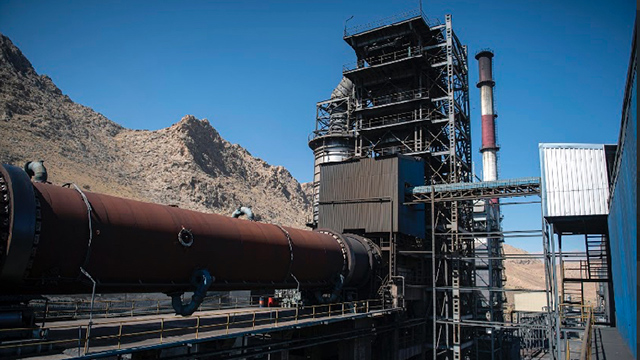
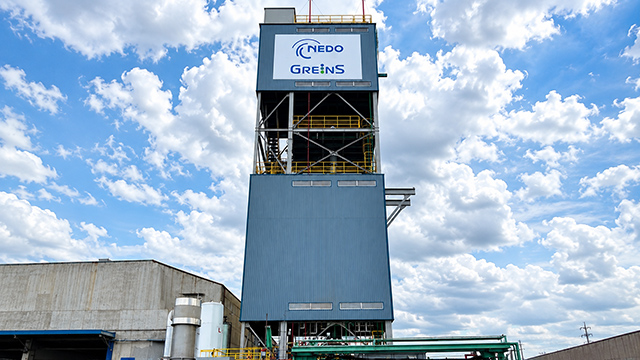
Along the industrial coastline of Chiba Prefecture, where factories have cast long shadows over Japan for generations, a modest pilot plant did something small in scale but significant in ambition between June 29 and July 1. Its output capacity was a mere 15 kilograms per hour. Over three days, it produced roughly one metric ton of metal a rounding error against a global steel industry that churns out more than 1.8 billion tons a year. Yet behind that small number, JFE Steel is making a large claim: the first production of direct reduced iron using “green” hydrogen in the history of Japan’s steel industry.
An Industry That Cannot Continue as It Has
Steel is the skeleton of modern industrial civilization — the frame beneath skyscrapers, the shell around automobiles. But that same industry accounts for roughly 14 percent of all carbon dioxide emissions from Japan’s industrial sector alone, and globally, the ironmaking step is responsible for a meaningful share of the 7 to 8 percent of the world’s carbon emissions traced to steelmaking overall. The pollution is baked into the chemistry itself: for centuries, stripping oxygen from iron ore has required coal and coke, a process that inevitably converts carbon into carbon dioxide.
Replacing that carbon with hydrogen is an idea simple enough to sketch on paper, but one that in practice demands decades of investment, hundreds of millions of dollars in research funding, and an intricate supply chain that does not yet exist at scale. JFE Steel’s latest trial, backed by Japan’s New Energy and Industrial Technology Development Organization (NEDO), sits squarely on that difficult path.
What Happened in Chiba
According to a report by Global Hydrogen Review, the pilot unit at JFE Steel’s East Japan Works in Chiba Prefecture produced approximately one ton of direct reduced iron using green hydrogen generated by a 1.5-megawatt electrolyzer in Yamanashi Prefecture and delivered to the site by road tanker. The trial, conducted over three days at the end of June, is part of the work of the Hydrogen Steel Production Consortium, formed in 2022 by four of Japan’s largest steel players Nippon Steel, JFE Steel, Kobe Steel, and the Japan Research and Development Center for Metals (JRCM). Small as it was, the trial is a building block toward a far larger national target: carbon neutrality by 2050, and the delivery of 10 million tons of green steel annually by 2030, under Japan’s Ministry of Economy, Trade and Industry policy framework.
A Race That Recognizes No Borders
What elevates this from a technical footnote is the wider competitive backdrop against which it unfolds. This past spring, South Korean authorities finally approved the site for POSCO’s ambitious hydrogen steel complex in Pohang — a project aiming to bring a HyREX pilot plant online by 2028 with a capacity of 300,000 tons per year, dwarfing Japan’s 15-kilogram-per-hour experiment by orders of magnitude.
In Europe, the picture is more fraught. ArcelorMittal, the world’s second-largest steelmaker, has delayed final investment decisions on its European decarbonization projects despite securing roughly €3.5 billion in subsidies for its direct-reduction facilities a sign of the hesitation that steep costs have injected into even the industry’s largest players. Germany’s Salzgitter, by contrast, is pressing ahead with its Salcos project, targeting up to two million tons of green steel annually when production begins in 2027.
What Comes Next
The modest scale of JFE Steel’s trial should not obscure its significance. Heavy industry typically advances from precisely such small, laboratory-scale steps toward commercial-scale technology.
But the distance between one ton of metal produced over three days and the millions of tons required for industrial-scale annual output hinges on a single, stubborn variable: the availability of green hydrogen that is abundant, reliable, and cheap. Until that condition is met, carbon-free steel in Japan, in South Korea, and across Europe will remain suspended between promise and reality.