Steel World Review reports that Middle Eastern crude exports returned to, and on several days exceeded, pre-war levels during September.However, increased attacks on oil tankers and logistical constraints have raised questions about the sustainability of this recovery.
Kpler data cited by Reuters showed a seven-day moving average of 18.3 million barrels per day on September 30, while Vortexa also recorded flows around pre-conflict levels.The recovery was supported by higher Saudi shipments from Gulf and Red Sea terminals and increased Iraqi tanker movements. LNG cargoes exiting the Strait of Hormuz also rose to their highest level since February.
A significant portion of the increase in exports was driven by higher loadings from Saudi Arabia through the Persian Gulf and the Red Sea. Iraq also increased shipments of Basra crude after receiving authorization for its tankers to transit the Strait of Hormuz. LNG exports through the strait also reached their highest level since February in September.
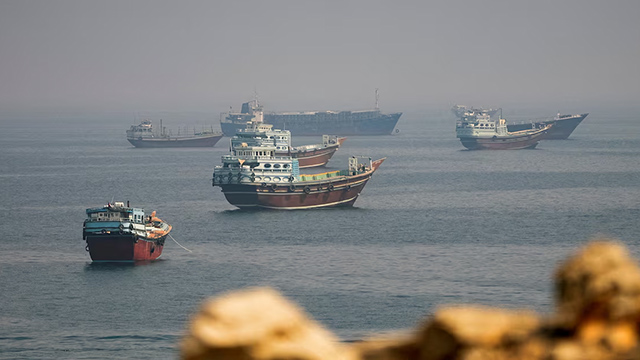
In contrast, maritime intelligence firm Marisks reported at least seven incidents involving oil tankers over a one-week period. Two tankers were damaged by projectiles of unknown origin on October 1 and 4, while their crews were reported to be safe. The company suggested that Iranian forces may have fired projectiles toward a pre-designated area rather than targeting a specific vessel. However, this assessment has not been independently verified, and responsibility for the attacks has not been officially established.
More precisely: For the steel market, higher energy export volumes from the region are positive for access to oil, refined products, and gas. However, higher volumes alone do not necessarily indicate a return to normal market conditions. War-risk insurance premiums, tanker freight rates, port delays, and the use of ship-to-ship transfers could offset part of the positive impact of increased supply.
The impact on the steel industry is largely indirect: higher energy costs affect electricity and transportation, while insecurity along maritime routes can increase the cost of transporting iron ore, pellets, direct reduced iron (DRI), and steel products. There is still no evidence that these developments have caused any specific change in regional steel prices over the past 24 hours.