H and I Beams: A Complete Guide to Choosing Steel Beams
In the construction industry, H beams and I beams are two widely used types of steel beams employed for load-bearing and structural support. Although both are highly practical and versatile, key differences between them make the right choice critical for the strength and durability of a structure.
Differences Between H and I Beams
| Feature | H Beam | I Beam |
|---|---|---|
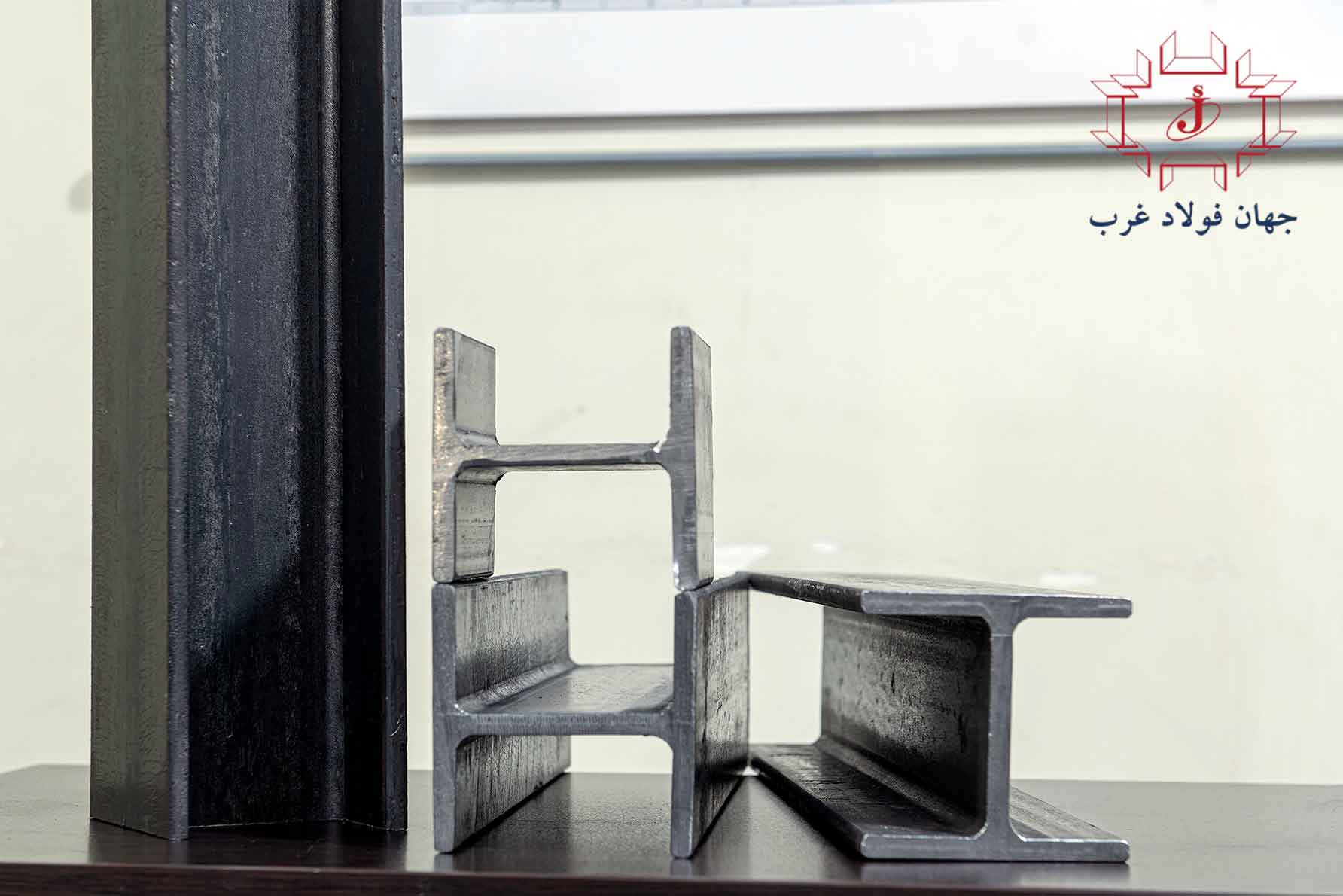
| Cross-Section Shape | Rectangular, resembling the letter “H” | Triangular-like, resembling the letter “I” |
| Length and Load-Bearing Capacity | Longer, suitable for heavy loads over long spans | Shorter, suitable for light loads and short spans |
| Rigidity and Flexibility | Stiffer and more resistant to buckling and bending failure | Lighter and more flexible, easy to install, and space-saving |
| Main Applications | Roofs, columns, and heavy-load structures | Short spans, moderate loads, and lightweight projects |
Advantages of H Beams
- Capable of bearing heavy and long loads
- Greater stability against buckling and bending failure
- Suitable for roofs, columns, and tall structures
Advantages of I Beams
- Lightweight and easy to install
- Space and transportation cost savings
- Suitable for light loads and short spans
Conclusion and Choosing the Right Beam
The choice between H and I beams depends on the project’s requirements and structural conditions:
- If you need a strong and rigid beam → H beam is the suitable choice.
- If you need a lightweight and flexible beam → I beam will be more appropriate.
By considering these points, you can confidently select the appropriate steel beam for your project, ensuring the structure’s durability and safety.
For the first time in Iran, Jahan Foulad Gharb successfully produced H beams.
Continue Reading